


Description
After the end of World War II in 1945, the East-West conflict between the USA and the Soviet Union also shaped Switzerland. Until the collapse of the Eastern Bloc from 1989 to 1991, the idea of an external threat had a lasting impact on politics, society, and everyday life.
In that era of the so-called "Cold War," the possibility of military confrontation was always present. Military thinking extended deeply into civilian life: civil protection shelters, sirens, and emergency supplies were as common as the militia system and the idea of comprehensive national defense. At the same time, the logic of friend or foe influenced political debates and societal action spaces.
How was this "non-peace" experienced in everyday life? Three witnesses share their experiences from different perspectives during the Cold War. In the discussion, they provide insight into dealing with a threat that seemed omnipresent. The audience is invited to ask questions and share their own memories.
With: Albert Vincenz, former professional officer and insurance director, Katharina Spörri, housewife and self-employed, Peter Kamber, historian and author.
Moderation: Heinz Looser, historian and editor of unseregeschichte.ch
Highlights
- Witnesses share their experiences of everyday life during the Cold War
- Moderation by historian Heinz Looser
- Insights into civilian and military aspects of the era
General Information
The event at the Swiss National Museum Zurich discusses the influence of the Cold War on Swiss everyday life. Three witnesses share their experiences and invite the audience to ask questions and share their own memories.
Location
 Museumstrasse 2, 8001 Zürich, Switzerland
Loading map...
How to get there

Event Calendar
November 2026

Event Media
More events in Zurich
 Ticket: CHF 0
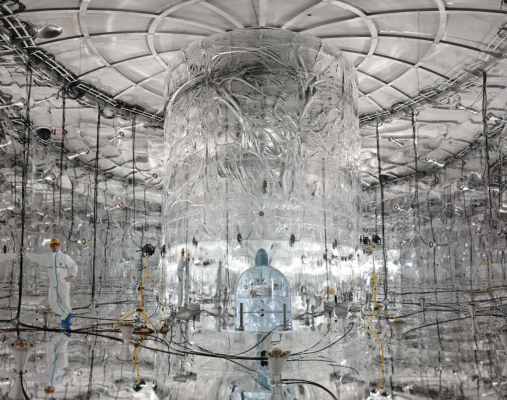
XENON
 12:00 am
 Nov 5, 2020 - Dec 31, 2026
- Winterthurerstrasse 190, 8057 Zürich, Schweiz
 Ticket: N/A
KEEP IT CO₂OL ‒ Will High-Tech Save Us?
- 12:00 am
- Aug 28, 2025 - Jun 11, 2028
- Sonneggstrasse 5, 8006 Zürich, Schweiz
 Ticket: CHF 0
Slow Chaos
- 12:00 am
- Mar 9, 2023 - Feb 28, 2027
- Winterthurerstrasse 190, 8057 Zürich, Schweiz

Ready to Host an Event?
Create, manage, and promote your event in minutes.