

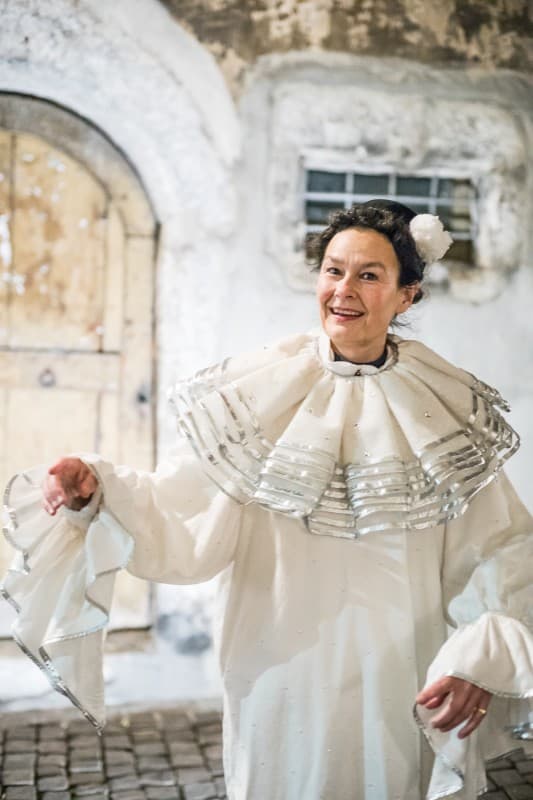
«BUTZEN, MUMMEN and INDECENT MASQUERADES GO»
 Hauptgasse 83, 4500 Solothurn, Schweiz
- Solothurn, Switzerland

 0
0 0
0 0
0
Description
The Reformed do not know Lent, therefore they do not know Fasnacht either.
Fasnacht was a wedding date and interest day. Show customs emerged: tournament-style combat games, authority-critical Fasnacht plays and parades. Furthermore, the Fasnacht fires were known, a spring fire that was integrated by the people into Fasnacht.
In the late Middle Ages, the fool became the central figure. Fasnacht plays emerged. During a Fasnacht play in the 14th century, a Franciscan monk was mocked. Our Fasnacht is that old!
The Fasnacht date is also related to the annual weapon inspections with subsequent changing. Every citizen had to appear in his guild for an inspection of his weapons. Flags were taken from the armories, or one marched through the streets with a “Süwpanner”.
Melancholy and military discipline, Fasnacht is both, longing and joy of life, fool's freedom and the origin in the mercenary troops. Fasnacht is a cultural asset that must be promoted. It is worth it for Fasnacht participants and non-participants to learn something about the background of this old custom from Marie-Christine Egger.
Highlights
- Historical insights into Fasnacht traditions
- Guided tours at Baseltor in Solothurn
- Learn more about the meaning and origins of the custom
General Information
The event offers a guided tour explaining the history and significance of Fasnacht in the region. It takes place at Baseltor in Solothurn and is aimed at all interested parties who want to learn more about this old cultural asset.
Location
Hauptgasse 83, 4500 Solothurn, Schweiz
Loading map...
How to get there

Event Calendar
January 2027

Event Media

More events in Solothurn
 Ticket: CHF 0
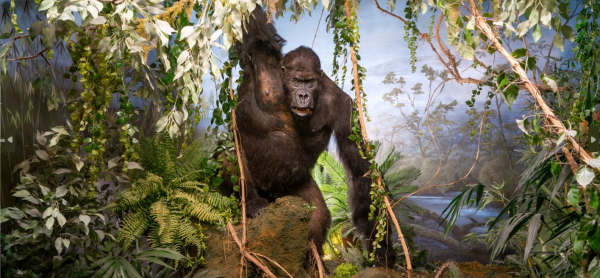
Luzia Hürzeler & Guests – What Appears as Nature
 12:00 am
- Jun 7 - Oct 4, 2026
- Werkhofstrasse 30, 4500 Solothurn, Schweiz
 Ticket: CHF 0
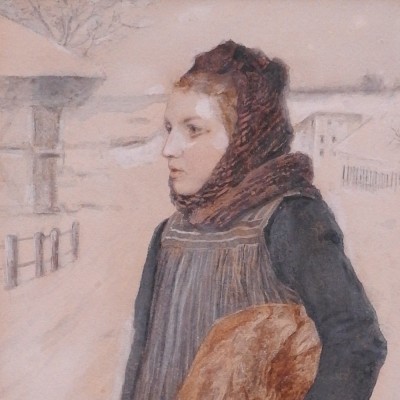
Workshop of Ideas Sketches and Drawings from the Collection
- 12:00 am
- Jul 5 - Oct 4, 2026
- Werkhofstrasse 30, 4500 Solothurn, Schweiz
 Ticket: N/A
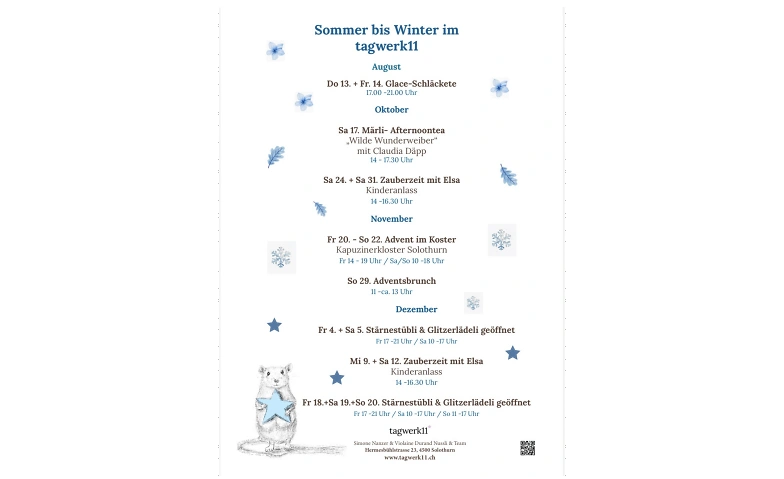
Programm Sommer -Winter
- 12:00 am
- Aug 16 - Dec 19, 2026
- tagwerk 11, Hermesbühlstrasse 23, 4500 Solothurn, Switzerland
Ready to Host an Event?
Create, manage, and promote your event in minutes.