


Description
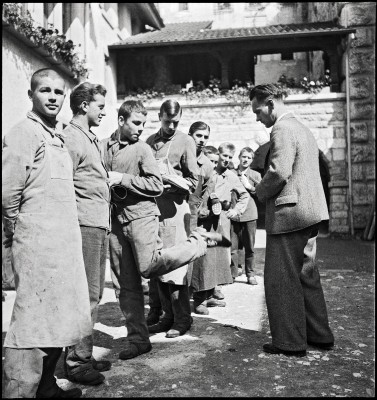
Mediathek Wallis, Brig. What happened to people who were poor, had no family, or did not conform to the 'social norm' in Upper Valais in the 20th century? Who received support, who was controlled, and why were some individuals placed in homes or foster families? The lecture sheds light on the history of the welfare system in Upper Valais between 1930 and 1981 and how various actors could support people in need, while also making significant decisions regarding measures such as placements or administrative care. Using archival sources and memories of former affected individuals, the lecture illustrates how poverty, social emergencies, and societal notions of 'order' and 'morality' shaped the daily lives of many people. It becomes clear that care was much more than material assistance: it could provide protection and support, but also entail control and exclusion. The lecture offers insights into a previously under-researched chapter of Upper Valais social history and invites reflection on the significance of help, responsibility, and social belonging. Nick Zenzünen is a history educator and teacher. He works as a research associate at the Institute for Subject Didactics of the Social Sciences at PH-Luzern and as a teacher at an international school. His research focuses on public history education and the history of coercive welfare measures.
Highlights
- Lecture by Nick Zenzünen
- Focus on welfare history in Upper Valais
- Insights from archival sources and personal memories
General Information
The lecture explores the welfare system in Upper Valais from 1930 to 1981, examining how societal norms influenced care for the poor and marginalized. It highlights the dual nature of assistance, which could provide support but also lead to control and exclusion.
Location
 Schlossstrasse 30, 3900 Brig, Switzerland
Loading map...
How to get there

Event Calendar
December 2026

Event Media


More events in Brig

 Ticket: CHF 0
Exhibition: Care and Coercion in Switzerland
 9:00 am
 Oct 2 - Oct 16, 2026
- Schlossstrasse 30, 3900 Brig, Switzerland
 Ticket: N/A
Gemütliche Runde
- 1:30 pm
- Oct 2, 2026 - Apr 30, 2027
- Schlossstrasse 30, 3900 Brig, Switzerland
 Ticket: N/A
Weekly Market
- 8:00 am
- Jan 1, 2020 - Dec 31, 2030
- 3900 Brig, Schweiz


Ready to Host an Event?
Create, manage, and promote your event in minutes.