

Swiss Agriculture: Development from the Ice Age to World War I
 Hauptbahnhofstrasse 8, 4500 Solothurn, Schweiz
- Solothurn, Switzerland

 0
0 0
0 0
0
Description
Around 5,500 BC, the first people settled in the area of present-day Switzerland. What might have motivated the hunters and gatherers to give up their nomadic lifestyle and instead cultivate grain and keep animals in stables?
This course section illustrates the origin and development of Swiss agriculture based on the most important biological, technical, and social changes from the Ice Age to the year 1900.
After the last Ice Age, the climate and the import of grain and livestock from the Near East enabled people to settle in the area of present-day Switzerland. The Bronze Age and the Romans also brought important innovations for crop farming and animal husbandry. The three-field system of the Middle Ages allowed the growing population to be fed but prevented productivity improvements. The first agricultural revolution around 1850 brought higher yields through mechanization and the use of fertilizers. Farmers were no longer just self-sufficient but produced for the growing market of the new industrial society.
Agricultural policy of the 20th/21st century is discussed in the fourth course section.
Course instructor: Franziska Borer, Dipl. Ing. Agr. ETH, agricultural and environmental educator
Highlights
- Development of Swiss agriculture from the Ice Age to 1900
- Course series focusing on biological, technical, and social changes
- Led by Dipl. Ing. Franziska Borer, ETH graduate
General Information
The course covers the history of agriculture in Switzerland, starting with settlement about 5,500 years ago up to the first agricultural revolution around 1850. It highlights the most important developments and innovations in crop farming and animal husbandry. The event takes place at the Volkshochschule Solothurn.
Location
Hauptbahnhofstrasse 8, 4500 Solothurn, Schweiz
Loading map...
How to get there

Event Calendar
November 2026

Event Media


More events in Solothurn

 Ticket: CHF 0
E-Book-Sprechstunde
 2:00 pm
- Sep 17 - Dec 17, 2026
- Zentralbibliothek Solothurn, Bielstrasse 39, 4500 Solothurn, Switzerland
 Ticket: CHF 15
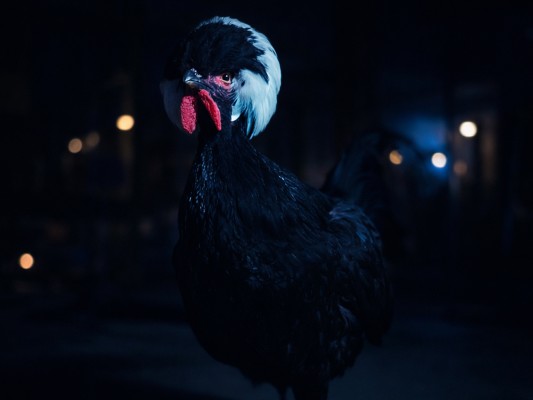
Night at the Chicken Coop – an Experience at the Natural History Museum
- 7:30 pm
- Oct 1, 2026
- Klosterplatz 2, 4500 Solothurn, Switzerland
 Ticket: CHF 307.5
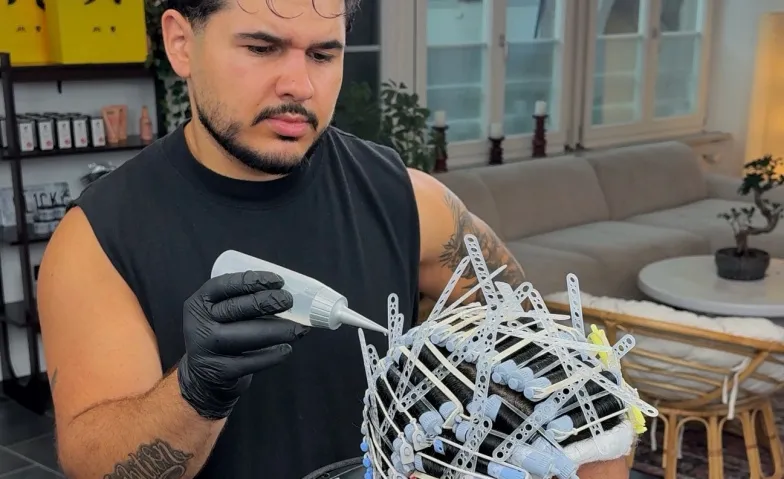
DAUERWELLE LOOK & LEARN mit BARBERKAAN
- 10:00 am
- Oct 4, 2026
- BARBERKAAN, Löwengasse 3, 4500 Solothurn, Switzerland


Ready to Host an Event?
Create, manage, and promote your event in minutes.