

The Art of Computing
 EPFL - Bâtiment INF - Station 14, 1015 Lausanne, Switzerland
- Ecublens, Switzerland

 Monday | 8:00 am - 7:00 pm
 - Tuesday | 8:00 am - 7:00 pm
- Wednesday | 8:00 am - 7:00 pm
- Thursday | 8:00 am - 7:00 pm
- Sunday | 8:00 am - 7:00 pm
 0
0 0
0 0
0
Description
Computing. That is the original task of the computer. But already in the first decades of computer science, scientists, engineers, artists, and designers recognize that the machine can do much more: generate images, create new forms, bring figures to life, and open the door to new digital worlds.
The Art of Computing tells part of this adventure – where computer science, creativity, and research intersect. From pixels to works created with algorithms, from the first virtual humans to immersive environments, a common story emerges: the story of women and men experimenting with the then-new possibilities of machines and gradually expanding the boundaries of what can be shaped, represented, and experienced with them.
In the late 1960s, Manfred Mohr explores one of these paths. Geometry, mathematics, and programming become the foundations of a distinctive visual language. The artist defines the rules and writes the algorithms; the machine executes them. The computer is not the artist: it becomes a new tool in their hands.
From the 1980s onwards, a further boundary is explored in the laboratories of EPFL and the University of Geneva: humans enter the digital image. Around Nadia Magnenat-Thalmann, Daniel Thalmann, and later Ronan Boulic, multiple generations of researchers bring virtual humans to life, let them walk, move, and interact in digital worlds. This research takes place at a time when computers had only a fraction of today's processing power.
And then there is the pixel. As a fundamental building block of digital images, it also develops into its own visual language. In early graphical user interfaces, designers and graphic artists work with a limited number of pixels to create icons that make computer interaction more intuitive and familiar. From interface design to pixel art, this technical limitation gradually becomes a standalone field of creative expression. This chapter will soon be added to the exhibition.
Objects, archives, films, and interactive stations make this history tangible. The Art of Computing invites you to view computer science from a different perspective: not only through the machines and their capabilities but also through what people have imagined doing with them.
Highlights
- Exhibition on the connection between computer science and art
- Focus on works created with algorithms
- Presentation of pioneers of digital art
General Information
The exhibition "The Art of Computing" in Lausanne highlights the development of digital art and the role of computers in this process. It shows how artists create new visual languages with algorithms and programming and expand the boundaries of creativity.
Location
EPFL - Bâtiment INF - Station 14, 1015 Lausanne, Switzerland
Loading map...
How to get there

Event Calendar
September 2026

Event Media


More events in Ecublens
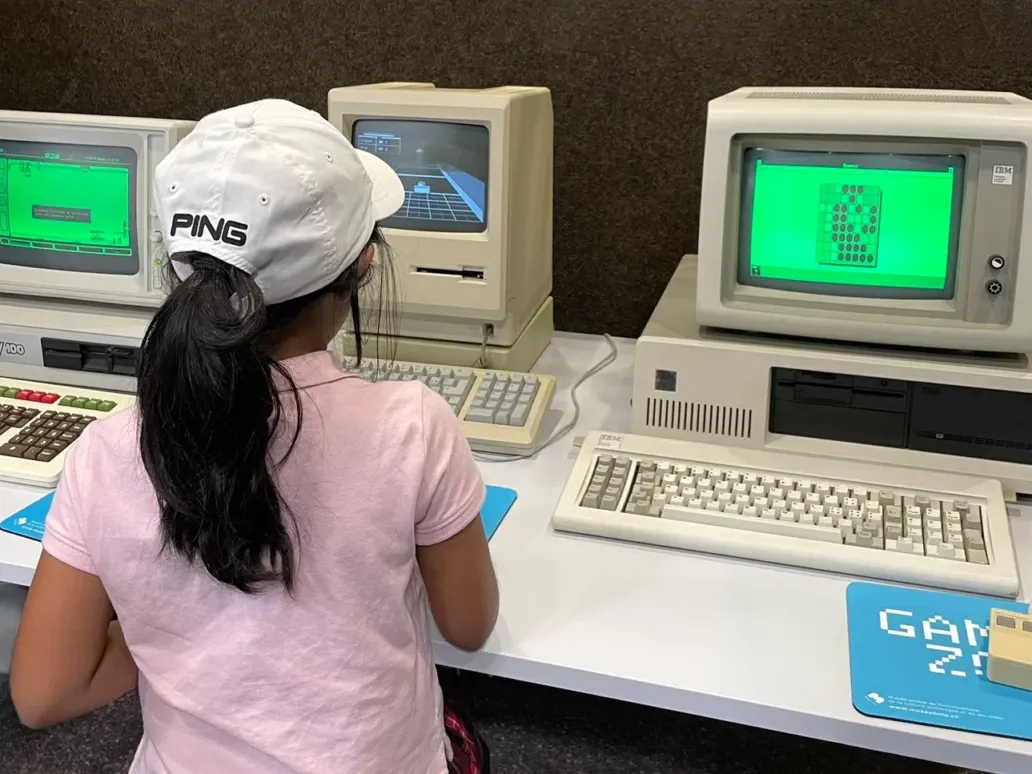
 Ticket: CHF 0
Dauerausstellung – Musée Bolo
- 8:00 am
- From Jan 1, 2026
- Station 14, 1015 Lausanne, Switzerland
 Ticket: CHF 0
Passagen
- 9:00 am
- Sep 10 - Oct 19, 2026
- Dorigny, 1015 Lausanne, Switzerland
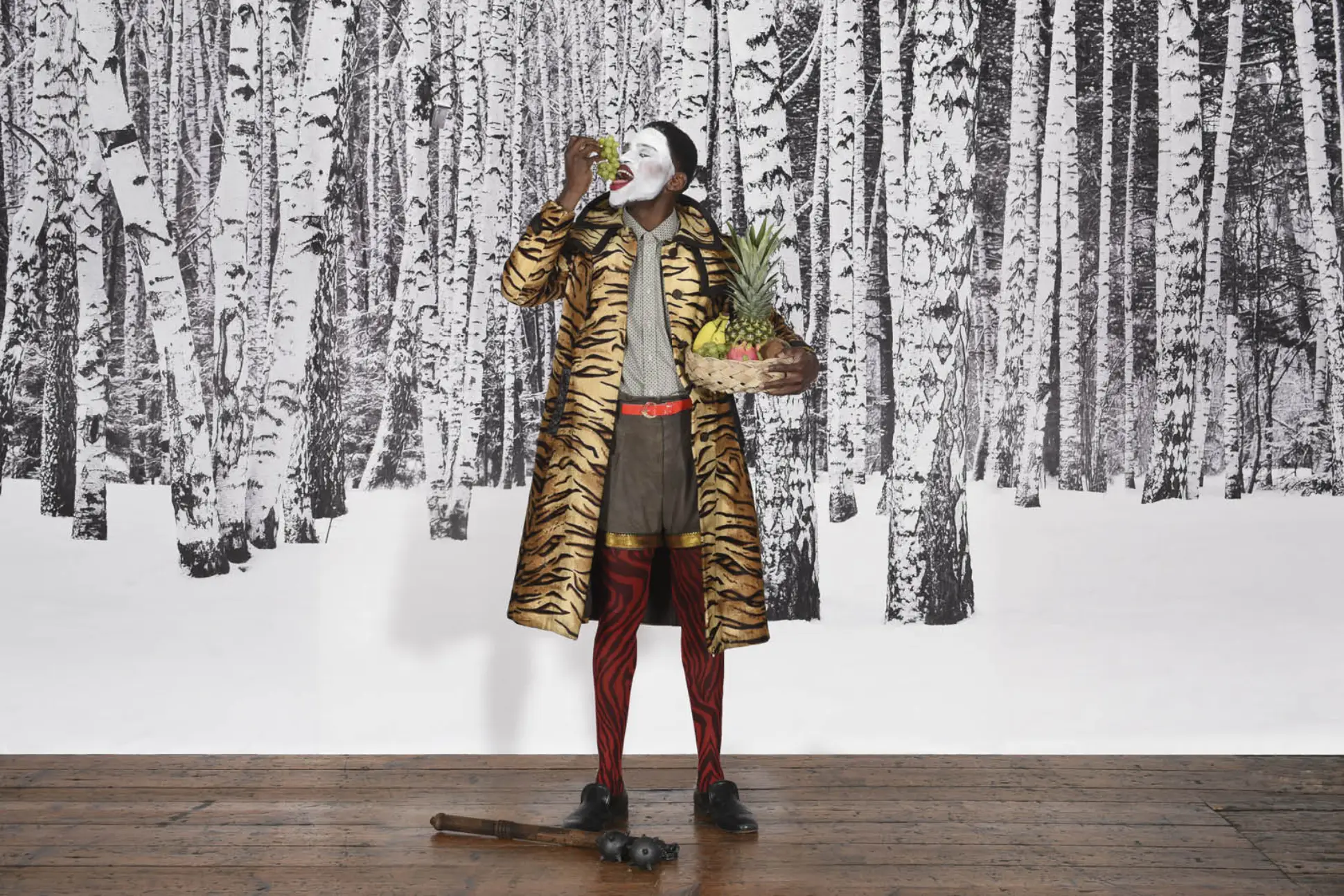 Ticket: CHF 0
Une vie
- 9:00 am
- Sep 23 - Oct 19, 2026
- Dorigny, 1015 Lausanne, Switzerland
Ready to Host an Event?
Create, manage, and promote your event in minutes.