

Contemporary Dependencies. Three Generations of the Hungarian Art Scene
 Denisova 47, 779 00 Olomouc, Czech Republic
- Olomouc, Czech Republic

 0
0 0
0 0
0
Description
The Museum of Art Olomouc has long focused on Hungarian visual art. In 2003, it launched the project Remote Proximity / Close Distance, based on mutual exchange and presentation of 20th-century art collections from the Museum of Art Olomouc and the museum in Székesfehérvár. This collaboration was later followed by the exhibition Crime Scene: Pécsi Műhely, focusing on the conceptual and action-based work of a group of authors active in Pécs from the late 1960s to the early 1980s. The exhibition Contemporary Dependencies continues this line from a different angle: not as a historical probe, but as a generational study of contemporary visual culture. Through selected works, it traces the transformation of Hungarian art from the fall of the Iron Curtain to today's post-digital environment. The birth years of individual authors are not just biographical data but indicate different historical experiences. These experiences have influenced the relationship of each generation to media, technology, nature, society, the image, and their own bodies. The exhibition is divided into three larger blocks. The first, titled Between Systems, presents the work of authors born in the first half of the 1980s. This 'transition generation' experienced childhood during the late state socialism but came of age during the political and economic transformation of the 1990s. They entered the art scene around the turn of the millennium, in the conditions of a market society, a newly forming gallery operation, and advancing internationalization. The second block, Inside Transformation, captures the works of authors born in the late 1980s. This generation is shaped by the market economy, advertising, popular culture, the internet, and European integration. Its members entered the art scene around 2010, during a time of economic uncertainty, rapid development of social networks, and the associated global sharing of images, information, and visual strategies. The third part of the exhibition project, Post-Internet, is dedicated to the work of Generation Z artists, primarily those born in the second half of the 1990s. For this generation, digital technology does not represent a new tool but a natural living environment. The internet, mobile communication, social networks, video games, and global image databases enter their work as an integral part of everyday experience. The result is a blurring of boundaries between the physical and the virtual, the traditional and the technological, high and popular art. The time frames of the individual parts are indicative. Generational experiences overlap, and some works naturally enter multiple contexts simultaneously. The purpose of this division is not to create three closed groups but rather to show the gradual transformation of the conditions in which contemporary Hungarian art is created, from the experience of transformation through globalized sharing of images to a world where the digital environment co-defines the very way of perceiving reality.
Highlights
- Exhibition exploring three generations of Hungarian art
- Focus on the transformation from the Iron Curtain to the post-digital era
- Features works from artists born in the 1980s, 1990s, and 2000s
General Information
The exhibition 'Contemporary Dependencies' at the Museum of Modern Art in Olomouc examines the evolution of Hungarian visual culture across three generations. It highlights how historical experiences shape artists' relationships with media, technology, and society.
Location
Denisova 47, 779 00 Olomouc, Czech Republic
Loading map...
How to get there

Event Calendar
November 2026

Event Media


More events in Olomouc

 Ticket: N/A
Cvičení pro seniory
 8:30 am
- Feb 9 - Dec 25, 2026
- Peškova 1, 779 00 Olomouc, Czech Republic
 Ticket: N/A
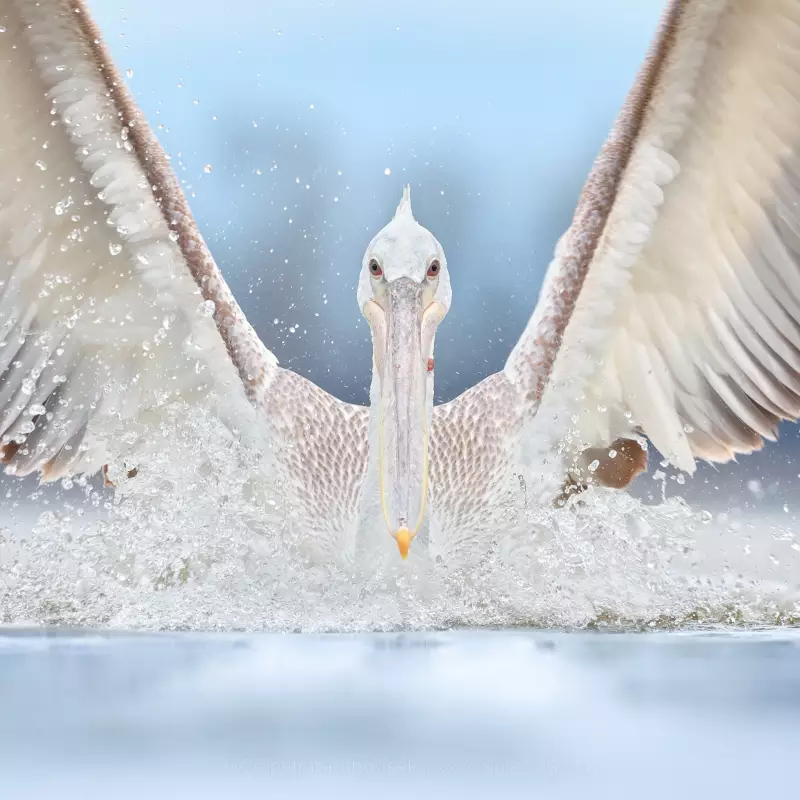
Fotosoutěž Mokřady pro život
- 9:00 am
- May 25 - Oct 15, 2026
- 779 00 Olomouc, Czech Republic
 Ticket: N/A
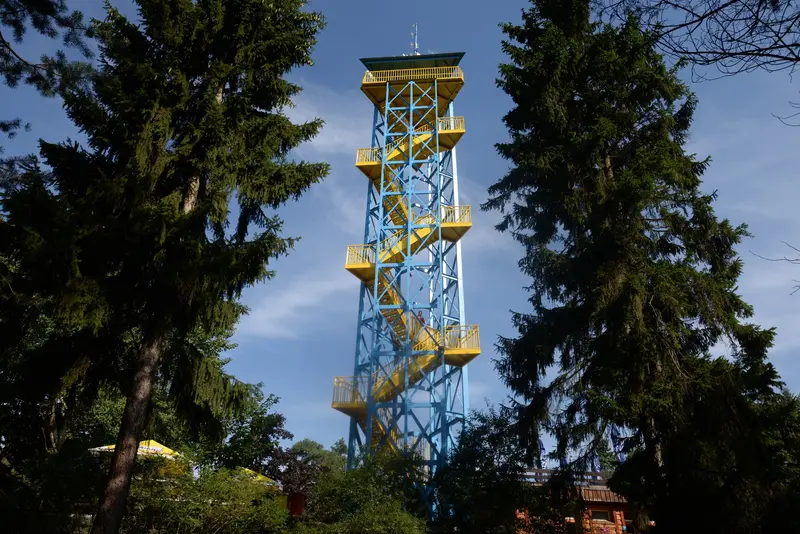
Měsíc rozhleden
- 9:00 am
- Sep 28 - Oct 31, 2026
- 779 00 Olomouc, Czech Republic


Ready to Host an Event?
Create, manage, and promote your event in minutes.